







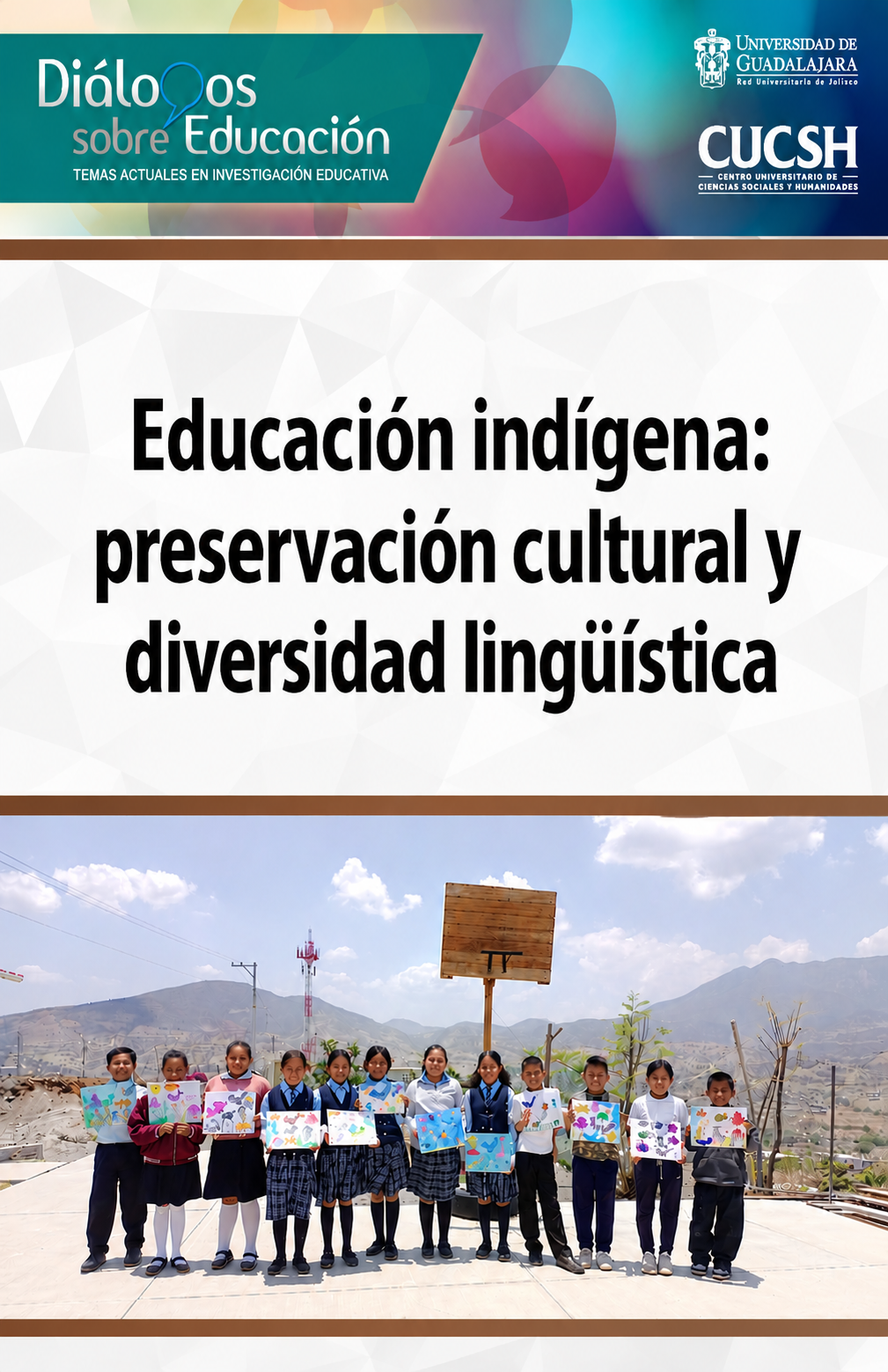
Indigenous education constitutes a fundamental space for cultural preservation, linguistic diversity, and the construction of more just and inclusive societies. Beyond formal schooling, education takes place within families, communities, and territories, where knowledge, values, languages, and unique ways of understanding the world are transmitted. In Central America, Indigenous peoples have historically sustained their own educational practices, strengthening collective identities and ensuring the continuity of their cultural traditions. This issue of Diálogos sobre Educación will focus on Indigenous education in Central America, with the aim of examining the challenges, achievements, and opportunities faced by Indigenous communities across the region’s diverse educational contexts. It seeks to promote reflection on intercultural and bilingual education policies, language revitalization processes, community-based teaching and learning experiences, and pedagogical approaches aimed at recognizing and valuing cultural diversity. Likewise, it is important to explore the contributions of decolonial pedagogies, Southern epistemologies, and other critical perspectives that challenge exclusionary educational models and foster dialogue among different knowledge systems. Therefore, this issue invites rigorous analysis of the role of Indigenous education in cultural preservation, social justice, and the construction of intercultural societies in Central America.
Coordinators: Lucila Sánchez García (Universidad de la Sierra Juárez) y Carlos Alberto Morgado Galván (Universidad de Guadalajara), México.